

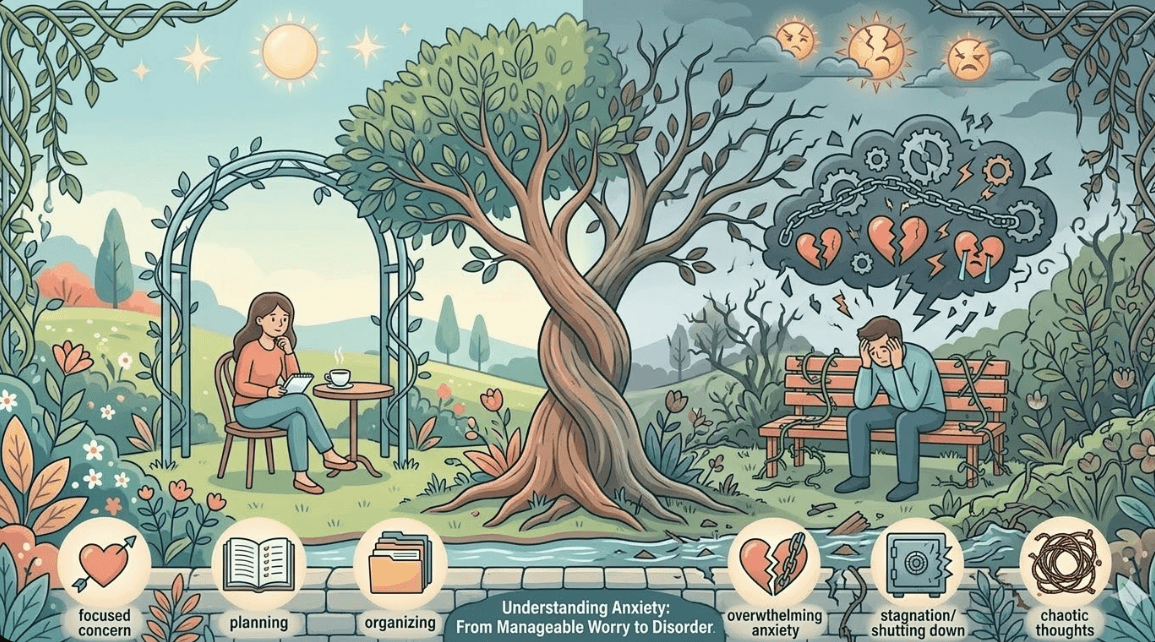
I often explain that fear is one of the earliest emotions that humans developed from both evolutionary and developmental perspectives. From my understanding, fear is not a negative emotion by itself; rather, it is an essential emotion that helps in our survival. Fear prepares us for challenges and helps us stay alert in potentially dangerous situations.
However, when I see fear being experienced without a clear or visible stressor, it is usually identified as anxiety. At that point, the emotion can begin to interfere with daily life, affecting a person’s routine, sleep patterns, and even food habits.
According to global estimates, around 4.4% of the world’s population currently experiences an anxiety disorder. The World Health Organization reports that approximately 359 million people were living with anxiety disorders in 2021. Even though effective treatments for anxiety disorders exist, I find it concerning that only one in four people receive any form of treatment, which shows a significant gap in mental health awareness and accessibility.
The Biology Behind Fear and Anxiety
From a biological perspective, I often explain to clients that when the brain identifies a threat, it activates the body’s stress response by triggering the sympathetic nervous system. This response is commonly known as the “fight or flight” response.
During this stage, the body releases stress hormones such as adrenaline and cortisol to prepare us to face danger. As a result, the heart rate increases, blood pressure rises, and more blood flows to vital organs. I often tell clients that this is why the face may become pale and the hands may feel cold.
Breathing also becomes faster because the body needs more oxygen to produce energy. At the same time, digestion slows down because the body focuses its energy on survival. Once the brain recognizes that the threat is no longer present, the body gradually returns to its normal state.
How Anxiety Develops in the Brain
However, in many of the anxiety cases I see in my clinical practice, the Amygdala, which is responsible for processing fear, becomes overly active.
Because of this hyperactivity, many situations are interpreted as potential threats even when they are not actually dangerous. I often notice that even when one perceived threat disappears, clients quickly begin to worry about another one due to persistent overthinking.
This prolonged stress response can lead to symptoms such as:
- Sleep disturbances
- Digestive issues
- Chest tightness
- A constant feeling of restlessness
Why Anxiety Is Increasing in Modern Life
Research also shows that anxiety has increased significantly over the past few decades. Studies indicate that global anxiety rates increased from 3.7% in 1990 to about 4.4% in 2021.
From what I observe in today’s society, people seem to be constantly rushing behind something—whether it is related to career, relationships, or lifestyle expectations.
I also see how social media trends, which change rapidly, contribute to this constant pressure. This continuous stimulation often keeps the mind in a state of alertness or perceived threat.
Activities that were once relaxing, such as family gatherings, celebrations, or casual meetups, sometimes feel like situations where people feel the need to “present themselves” or meet certain expectations.
Common Thought Patterns in Anxiety
During my clinical practice, I have worked with several individuals struggling with anxiety.
One of the most common thought patterns I observe among clients is catastrophic thinking, where minor challenges are interpreted as major failures or serious threats.
I also frequently notice that many clients develop a pattern of avoiding situations that trigger their anxiety.
How Therapy Helps Manage Anxiety
Through therapy, I gradually introduce clients to strategies that help them manage their anxiety more effectively.
These strategies often include:
- Identifying negative thought patterns
- Practicing breathing and grounding exercises
- Learning healthier ways to interpret stressful situations
Over time, with consistent effort and support, many clients begin to develop better emotional awareness and greater confidence in handling stressful situations.
Frequently Asked Questions (FAQs) About Anxiety
Normal worry is a temporary response to specific situations such as exams, work deadlines, or important life events. It usually fades once the situation is resolved. An anxiety disorder, however, involves persistent and excessive worry that continues even when there is no immediate threat. It can interfere with daily activities, sleep, concentration, and relationships.
Anxiety can affect both the mind and the body. Common symptoms include:
Constant worrying or overthinking
Restlessness or feeling on edge
Difficulty sleeping
Rapid heartbeat
Chest tightness
Difficulty concentrating
Digestive issues
These symptoms may vary from person to person depending on the type and severity of anxiety.
Anxiety disorders usually develop due to a combination of factors, including:
Genetic predisposition
Brain chemistry and neurological factors
Stressful life experiences
Childhood trauma or insecurity
Ongoing life pressures such as work, relationships, or financial concerns
Understanding these causes can help individuals seek appropriate treatment and support.
Yes, anxiety can significantly affect physical health. Chronic anxiety can lead to:
Increased heart rate and blood pressure
Muscle tension
Headaches
Digestive problems
Fatigue and sleep disturbances
Over time, prolonged stress can weaken the immune system and impact overall well-being.
Professional help should be considered when anxiety:
Interferes with daily life or work
Causes persistent sleep problems
Leads to avoidance of normal activities
Creates constant feelings of fear or panic
A psychologist or mental health professional can help identify the root causes and guide individuals toward effective coping strategies.
Yes, anxiety disorders are highly treatable. Common treatment approaches include:
Cognitive Behavioral Therapy (CBT)
Stress management techniques
Relaxation and breathing exercises
Lifestyle changes such as improved sleep and physical activity
Medication when recommended by a healthcare professional
Early intervention often leads to better outcomes.
Some simple strategies to manage anxiety include:
Practicing deep breathing or mindfulness exercises
Maintaining a regular sleep schedule
Limiting caffeine and stimulants
Staying physically active
Talking openly about concerns with trusted people
These habits can help regulate stress and improve emotional balance.
Yes, therapy is one of the most effective ways to manage anxiety. A psychologist can help individuals understand their thought patterns, identify anxiety triggers, and develop healthier coping mechanisms. Therapy also helps build emotional resilience and confidence in handling stressful situations.
Consult a Psychologist for Better Support
If worry and anxiety begin to interfere with your daily life, relationships, sleep, or work, seeking professional support can be an important step toward recovery.
A trained psychologist can help you understand the underlying causes of anxiety, identify unhealthy thinking patterns, and develop practical coping strategies tailored to your needs.
Professional guidance can help you:
- Understand your anxiety triggers
- Build emotional resilience
- Develop healthier coping mechanisms
- Improve overall mental well-being
Early support and awareness can make a significant difference in managing anxiety and improving quality of life.