
Mind Touch Counsellors

Is Compatability a Real Thing?

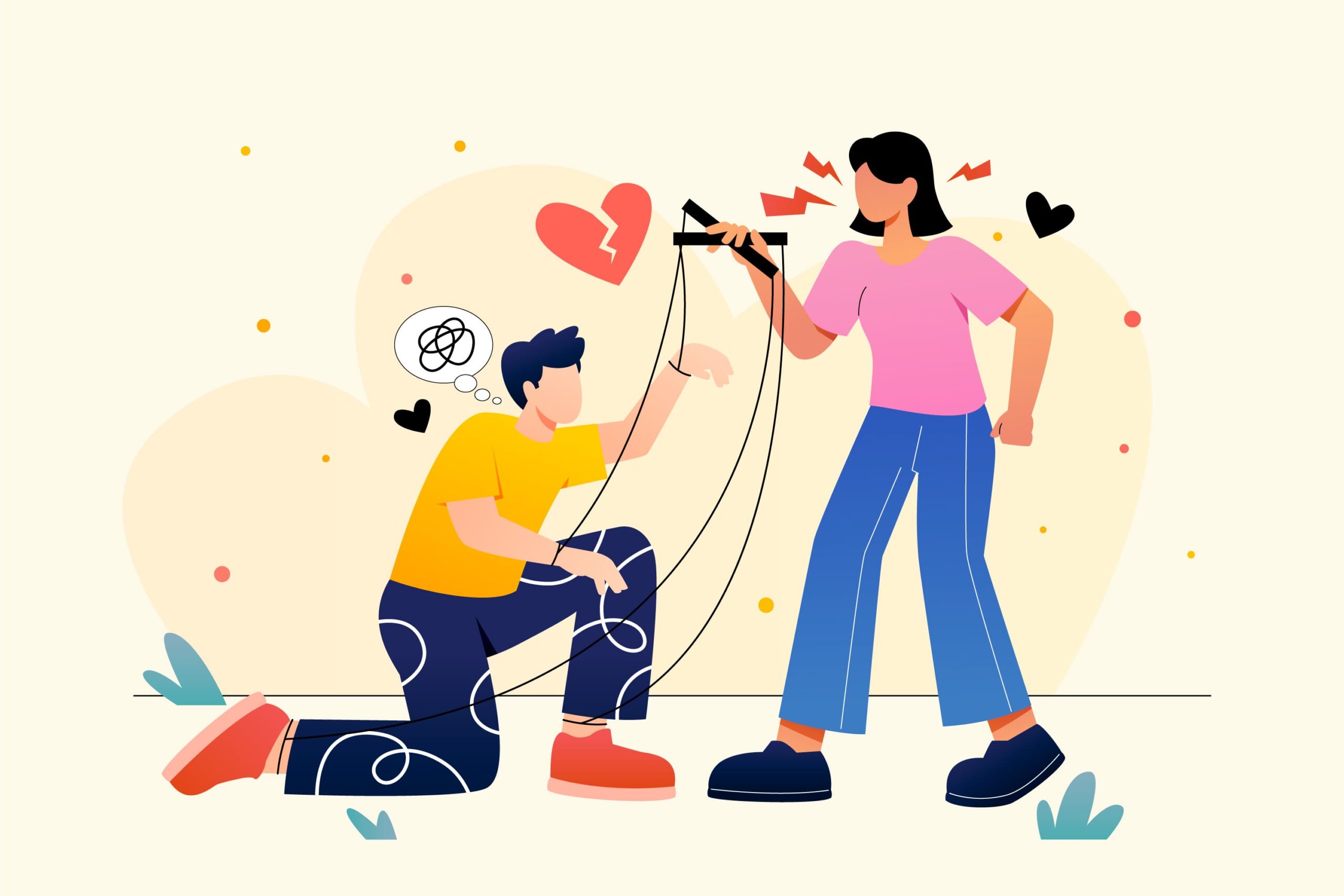
blog image

In my experiences as a psychologist in Kochi, I have noticed several clients have told me that we are not compatible, our interests are not alike. In today’s world, everyone is behind compatibility. Is compatibility overrated?

According to my experiences, I have seen that we have to give focus on selecting our partner in our ideas, values, we have to identify our expectations and our limitations and we have to choose the partner according to that. Families seek it through education, caste, values, and lifestyle alignment. To some extent, it will help to work on our marriage.  Yet, many highly “compatible” couples still find themselves emotionally disconnected, while some seemingly mismatched partners build deeply fulfilling relationships. Compatibility is a foundation not to replace emotional effort that we need to put forward.

Compatibility often becomes an umbrella term for, Similar values, beliefs, or life goals, Shared interests and lifestyle preferences, Comparable communication styles, Sexual relationship, Family and cultural alignment and Emotional temperament.

What if these are not compatible? Or is that only needed in a healthy relationship?

There is a misconception that if we are similar, we won’t struggle. Actually, conflicts in relationship happen not only because of the incompatibility, moreover it is because of the unmet emotional needs. Actually, I have seen in different counselling sessions that incompatibility is shown as a psychological defence to show a safer explanation than confronting. Sometimes avoidant partners may label emotional closeness as incompatibility.

Healthy Partners need to notice, respond to, and validate each other’s emotional states—even when they don’t fully agree. That emotional responsiveness will help the couples to grow.  Growth requires discomfort. Emotionally mature partners can stay present rather than withdraw, attack, or shut down. Conflict is inevitable.

What matters is the ability to acknowledge hurt, take responsibility, and reconnect. Relationship is always for our growth, this includes shared values about respect, commitment, and how the relationship is prioritized—not identical hobbies or personalities. So, it is the right time to change our perspective from “Are we incompatible?” to “Can we create emotional safety, while being different?”

Through both in-person sessions and online counselling in Kerala, I have seen that the more helpful question is not:

“Are we incompatible?”

But rather:

“Can we create emotional safety while being different?”

Frequently Asked Questions

Yes, compatibility is real — but it is often misunderstood. Compatibility usually refers to shared values, life goals, communication styles, and lifestyle preferences. While these factors can support a relationship, they are not the only foundation for a healthy partnership.

Compatibility can be overrated when couples believe similarity alone guarantees a successful relationship. Many highly “compatible” couples still struggle emotionally, while some seemingly different partners build deeply fulfilling bonds. Compatibility helps, but emotional effort sustains the relationship.

Compatibility often includes: Similar values and beliefs Shared life goals Lifestyle alignment Communication patterns Sexual compatibility Family and cultural expectations Emotional temperament However, having all these aligned does not automatically prevent conflict.

Differences do not automatically mean a relationship will fail. In many counselling sessions, what is labeled as “incompatibility” is often a deeper issue—such as unmet emotional needs, difficulty expressing vulnerability, or fear of closeness. Sometimes, incompatibility becomes a safer explanation than confronting emotional discomfort.

Not necessarily. Even very similar partners experience conflict. The key issue in most relationship struggles is not difference—it is emotional disconnection. Conflict happens in every relationship. What matters is how partners respond to it.

Healthy relationships require: Emotional responsiveness Validation of each other’s feelings Willingness to stay present during discomfort Taking responsibility after conflict Reconnecting after misunderstandings Emotional maturity plays a bigger role than shared hobbies or identical personalities.

Yes. Growth requires discomfort. Partners who can create emotional safety while being different often develop deeper intimacy than those who rely only on similarity. The more important question is not: “Are we incompatible?” But rather: “Can we create emotional safety, respect, and commitment while being different?”

Couples may benefit from counselling when: Conflicts feel repetitive or unresolved Emotional distance is increasing One or both partners feel unheard Differences are causing repeated frustration Couple counselling helps partners understand emotional needs rather than blaming incompatibility.
author
Mindtouch-editor

Ensuring Lasting Change

Our commitment to your well-being extends beyond individual sessions. The follow-up phase helps:

  • Monitor progress and adjust strategies as needed
  • Reinforce positive changes and new skills
  • Prevent relapse by addressing challenges early
  • Ensure the sustainability of improvements
  • Plan for long-term success

Taking Action

With clear goals in place, we begin the transformative work of implementing practical solutions. During this phase, we:

  • Explore and practice new coping strategies
  • Develop skills to manage challenges effectively
  • Work through obstacles as they arise
  • Adjust approaches based on what works best for you
  • Celebrate progress and learning opportunities

Mapping Your Path Forward

Once we have a clear understanding of your challenges, we collaborate to establish meaningful and achievable goals. This includes:

  • Defining what positive change looks like for you
  • Setting realistic, measurable objectives
  • Creating both short-term and long-term goals
  • Developing a personalized treatment plan that aligns with your needs

Understanding Your Story

Through thoughtful exploration and active listening, we work together to understand the challenges you're facing. This phase involves:

  • Exploring your current situations and concerns
  • Understanding how past experiences influence present challenges
  • Identifying patterns in thoughts, emotions, and behaviors
  • Gaining clarity on what's most important to address

Creating a Safe Space

The foundation of successful therapy is trust. We begin by creating a warm, non-judgmental environment where you feel truly heard and understood. This initial phase allows us to:

  • Establish open and honest communication
  • Create a comfortable space for sharing your thoughts and feelings
  • Develop mutual trust and understanding
  • Help you feel confident and secure in the therapeutic relationship