
Divorce Is More Than a Legal Ending
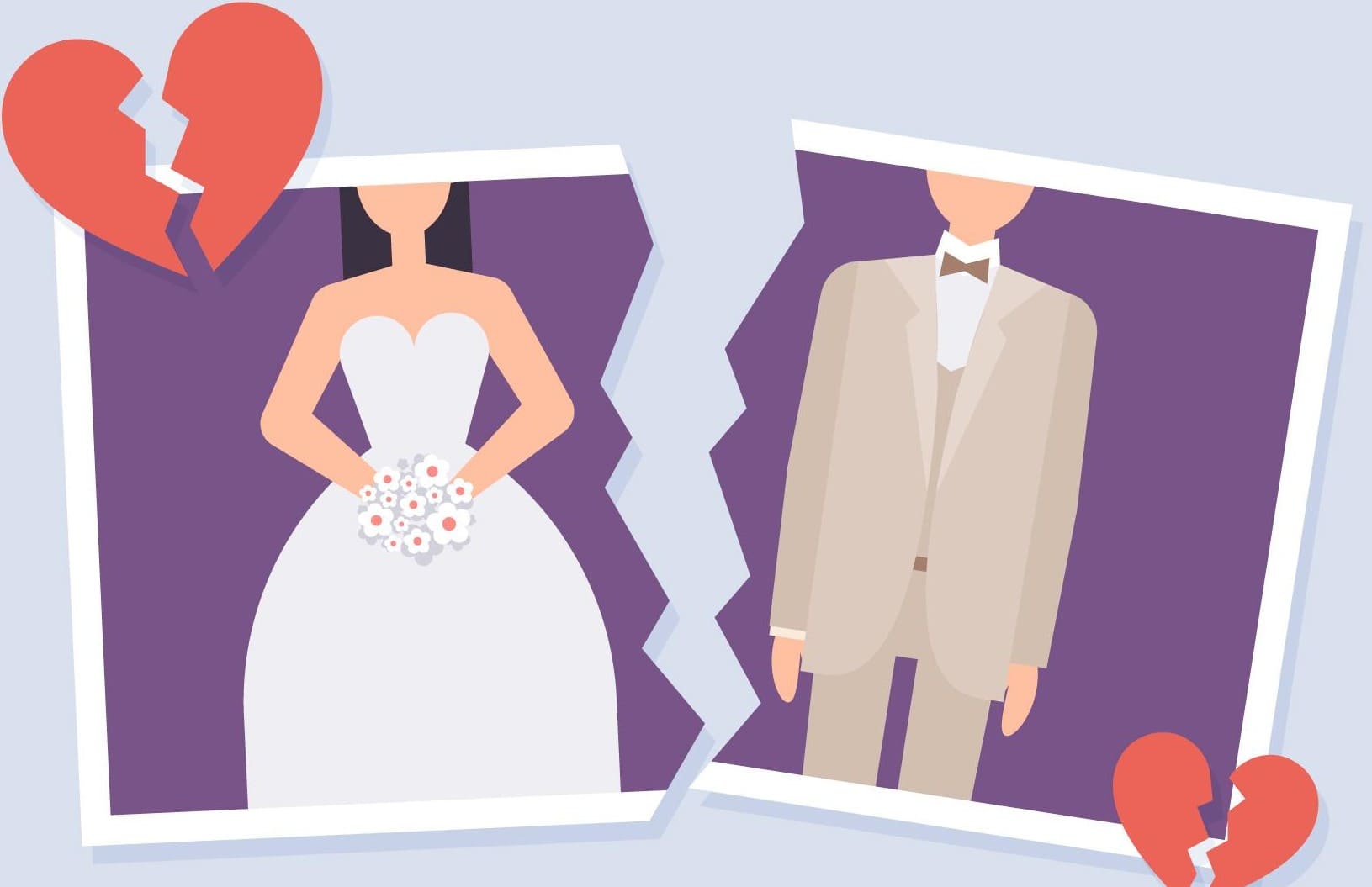
A divorce is often equated with the signing of papers, attending court, and making legal decisions. However, on a more personal level, it is a lot more than just a legal termination. It is the disappearance of the combined illusions, the loss of the usual and familiar, the loss of emotional safety, and the giving up of the future you once anticipated.
No matter if the separation was your own or if it turned out to be a painful one, if it was something you expected or a surprise, a divorce has the potential to strongly disrupt your mental and emotional state. Many people seek marriage counseling in Kochi or couples counseling near them not only to mend relationships but also to cope with the situation if separation is inevitable.
Mindtouch Clinic takes a gentle, kind, and respectful approach to emotional healing and recognizes the person’s unique experience.
The Emotional Impact of Divorce (What People Don’t Talk About)
Divorce usually causes an issue of emotions that are different in nature and intensity from what you normally experience.
You may go through:
- Mourning that is as deep as mourning a death
- Feeling guilty or blaming yourself even though it was the right decision
- Anger, resentment, or emotional exhaustion
- Worrying about the future, money, or kids
- Feeling isolated even if there are people around
Most people hold back from expressing such feelings. The general public is usually quick to expect you to get over it, but getting over one’s hurt heart is a gradual process. With the help of relationship counselling centre in Kochi, people can get to know their feelings are real, and with the help of proper support, they can be really handled.
Why Coping With Divorce Feels So Hard
Divorce is not just about losing one aspect of life it changes the whole life. One of the reasons coping becomes so tough is that:
- Your identity changes from partner to individual
- Your confiding sources might also be changed when you go through a divorce
- Long, forgotten emotional wounds may be reopened.
- Your daily habits become strange to you.
- Your parenting role gets more difficult
Even couples who have previously been to therapy sessions for their marriage in Kochi, may find it difficult after their separation. Separation does not mean instant emotional detachment; thus, during this period, the help of a professional can be very important.
What are Some Common Unhealthy Ways of Coping That Can be a Concern?
At times, when we are very stressed emotionally, we tend to use coping methods that feel good at the moment but they delay recovery.
Unhealthy ways of coping may include:
- Not allowing oneself to feel the hurt
- Working too hard or spending too much time in front of the TV or computer
- Cutting off communication with friends and family
- Getting into new relationships right after splitting up
- Using food, drugs, or alcohol as a way to forget the pain.
- Being stuck in the cycle of blaming and regret
Mindtouch Clinic counselling is a way for a person to identify the first signs of these patterns and to replace them with healthier ways of dealing with emotions.
Emotionally healthy ways to cope with divorce
Healing after divorce isn’t about erasing history but moving on with emotional strength.
1. Give Yourself Permission to Grieve
Divorce is a loss. You should let yourself be sad, angry, and confused without judging.
3. Rebuild Your Sense of Self
Find out again what you like, want, and love that you maybe did not pay attention to during your marriage.
3. Create Emotional Boundaries
Healthy boundaries help your mind stay in good shape and let your wounds heal.
4. Maintain Daily Structure
Simple habits, such as having regular meals, proper rest, and daily physical activity, help one emotionally.
5. Stay Connected
Choose the one whom you can talk to and trust without pressure and judgment. Should be supportive.
6. Practice Self-Compassion
Sometimes your days can be light, and sometimes you will feel heavy. Healing is not a steady progress and that’s okay.
How counseling can be of help during and after divorce
Professional counseling provides a safe and private environment where you can share your emotions freely without fear of being judged.
Through husband, wife counseling in Kochi, individual therapy, or post-divorce sessions at Mindtouch Clinic, clients can:
- Process grief and unresolved emotions
- Free oneself from guilt, shame, and anger
- Develop communication skills, especially for co-parenting
- Gain back confidence and self-esteem
- Recognize toxic relationship patterns
Counseling is not only about saving relationships but it is also about healing individuals.
When to Recognise the Need for Expert Help
Counselling could suit you if:
- Your whole life is screwed up because of the emotional pain
- If you have anxiety, sadness, or numbness that just won’t go away
- You are emotionally frozen or overloaded
- Co-parenting is stressful and full of conflicts
- The past traumas are still haunting you
- You are afraid of going back to the same bad relationship patterns
Mindtouch Clinic, your neighbourhood marriage counselling centre in Kochi, is the one you can trust, where you will receive professional, empathetic care in line with your feelings.
Moving Forward After Divorce (Healing Is Not Linear)
Divorce may seem like life is all down, but the fact is that it can be a road to your inner growth, a clearer understanding of life, and getting your strength back.
The healing is a gradual process:
- There will be days when you feel bright and cheerful
- There will be days when the old memories will haunt you
- There will be days when you come across the peace quite unexpectedly
As you grow and with the support of the right people, divorce can be the way to your healthier relationships, outwardly and inwardly.
Frequently Asked Questions