

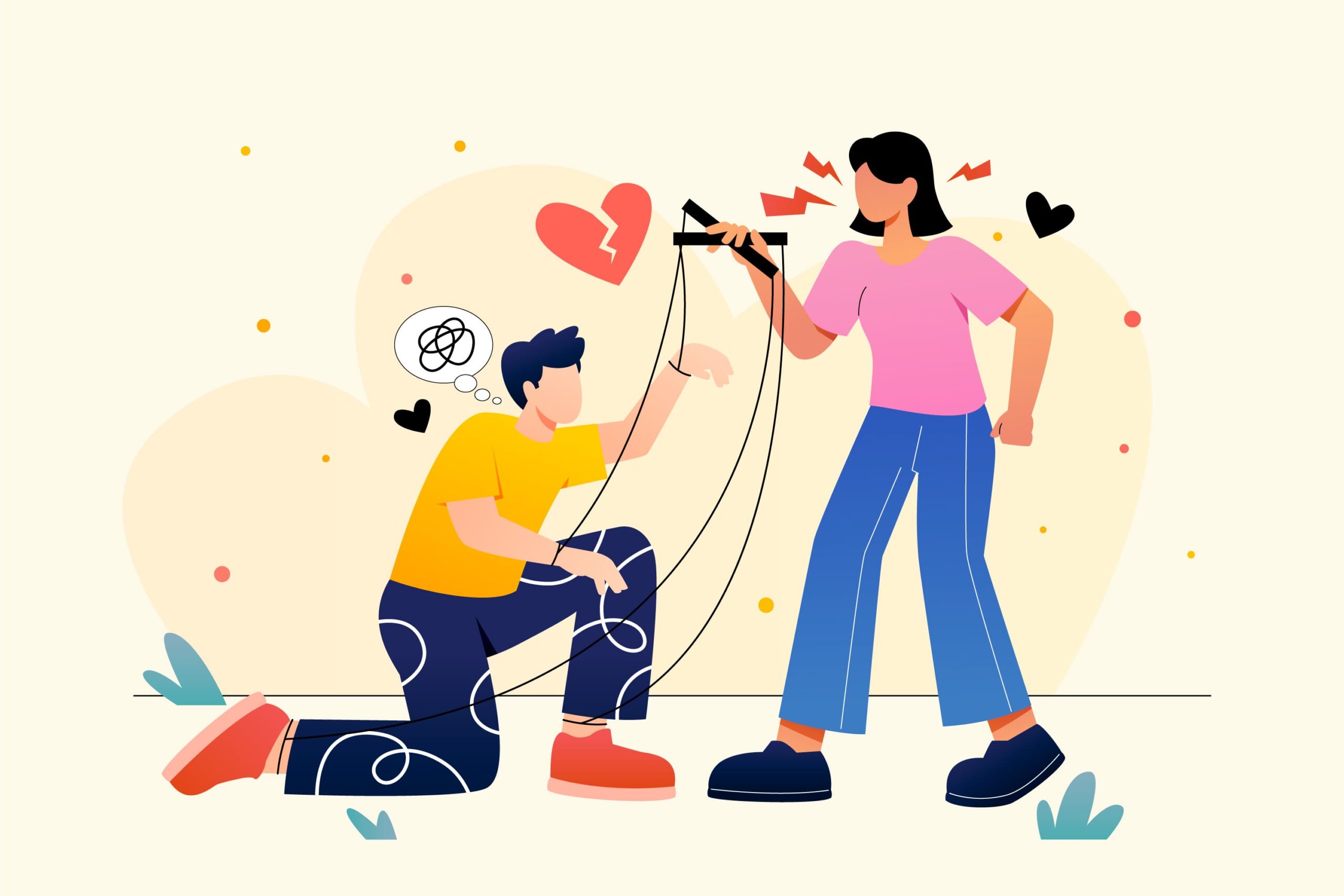
In my experiences as a psychologist in Kochi, I have noticed several clients have told me that we are not compatible, our interests are not alike. In today’s world, everyone is behind compatibility. Is compatibility overrated?
According to my experiences, I have seen that we have to give focus on selecting our partner in our ideas, values, we have to identify our expectations and our limitations and we have to choose the partner according to that. Families seek it through education, caste, values, and lifestyle alignment. To some extent, it will help to work on our marriage. Yet, many highly “compatible” couples still find themselves emotionally disconnected, while some seemingly mismatched partners build deeply fulfilling relationships. Compatibility is a foundation not to replace emotional effort that we need to put forward.
Compatibility often becomes an umbrella term for, Similar values, beliefs, or life goals, Shared interests and lifestyle preferences, Comparable communication styles, Sexual relationship, Family and cultural alignment and Emotional temperament.
What if these are not compatible? Or is that only needed in a healthy relationship?
There is a misconception that if we are similar, we won’t struggle. Actually, conflicts in relationship happen not only because of the incompatibility, moreover it is because of the unmet emotional needs. Actually, I have seen in different counselling sessions that incompatibility is shown as a psychological defence to show a safer explanation than confronting. Sometimes avoidant partners may label emotional closeness as incompatibility.
Healthy Partners need to notice, respond to, and validate each other’s emotional states—even when they don’t fully agree. That emotional responsiveness will help the couples to grow. Growth requires discomfort. Emotionally mature partners can stay present rather than withdraw, attack, or shut down. Conflict is inevitable.
What matters is the ability to acknowledge hurt, take responsibility, and reconnect. Relationship is always for our growth, this includes shared values about respect, commitment, and how the relationship is prioritized—not identical hobbies or personalities. So, it is the right time to change our perspective from “Are we incompatible?” to “Can we create emotional safety, while being different?”
Through both in-person sessions and online counselling in Kerala, I have seen that the more helpful question is not:
“Are we incompatible?”
But rather:
“Can we create emotional safety while being different?”
Frequently Asked Questions